Potato Seedlings

Here’s a picture taken today of my seedlings from Tom’s TPS (True Potato Seeds).  The left 6 plants are TPS#6 and the right 6 plants are TPS#1.

For a plant that’s supposed to be related to tomatoes, it sure looks a lot different at this stage!  When I transplanted them from the seed tray in the photo I made in this previous post, I buried the seedlings up to the cotyledons, which you can see pressed against the dirt in most of the pots.

Lieven made a comment in the post I just linked to, saying he noticed a lot of variability in his seedlings.  I’ve noticed the same thing.

I’m wondering too about what Tom said in his video about growing TPS and in a recent discussion on his forum about the importance of the time right after the seeds germinate, and if that importance is relevant to the rate at which the plants are growing in this picture.

For example, the second plant from the left on the bottom is not growing very well.  Is this because the seed wasn’t started properly?

Requesting Seeds From Europe

One of the things that’s really changed since I started this blog is the number of people sending one another seeds has really boomed, and in general this is a great thing.  Of course one of the things that’s exciting about trading seeds is getting some special seeds from a friendly gardener who lives far away and has access to something unusual you can’t get locally.  I think this is a goal many of us have.

The Problems

One of the problems at the moment is a lot of people living in North America are very keen to get seeds from Europe, and this is putting a strain on the ability of European gardeners to send seeds out.  I think in general, many and probably most Europeans are delighted to send seeds to people in NA, as long as these seeds are truly not available there.

In Europe most heirloom varieties are unavailable for purchase here, because seed laws make them illegal to sell.  On top of this, a general lack of market competition and current exchange rates makes seeds considerably more expensive here.  Honestly, many of us turn to US gardeners or US seed companies for our own seeds, so it’s a little silly for us to then turn around and send them back to a gardener there.

Given these and other reasons, it’s important right now for us to promote seed exchanges within Europe, rather than sending seeds to other countries.

If You Live in the US…

Please, look locally before asking someone in Europe to send you seeds.  You have access to cheap seeds, and in many cases you can purchase seeds locally for less than what it costs someone in Europe to send them from their garden.  If you want free or cheap seeds from someone’s garden, try asking someone on the Homegrown Goodness discussion forum.

By all means, if you think something is only available in Europe, please ask someone there to get them for you.  In particular, I’ll be happy to help people out under these circumstances.  If you get seeds in this way, please make an effort to grow the plants out for more seeds, and redistribute them locally.

Lets all work together to keep seeds from going back and forth over the Atlantic for no reason, and not waste the money and time of generous gardeners who are willing to send their seeds to others for free.


Top Gardening Blogs List

I honestly get too many of these kinds of emails to to pay attention to them all, but I just got an email from Jeanne who told me about her list of 50 favorite gardening blogs.  The descriptions for Bifurcated Carrots and the other sites look like she spent a lot of time reading and understanding them, and I think this list is pretty representative of the garden blogs out there.  If you’re looking for a gardening blog, it’s a pretty good summary.

She made a similar list of food blogs.

Thanks Jeanne, for spending the time putting these lists together.

Update: Big Projects 2010: Garden

In response to my post a few days ago I received an email from someone representing the Global Crop Diversity Trust, the seed bank in Norway.  The main point of the email seemed to be taking exception to my rather broad statement that Bill Gates was a major funder, which I must admit wasn’t very well thought out or carefully phrased.  I’m not particularly convinced that I was substantially wrong however.

In any event, like everything else on this blog, you should consider it more my opinion than fact.

Anyway, if you would like to see their position on the matter, she provided the following link.

In particular she wished to be very clear that the Bill & Melinda Gates Foundation did not fund the construction of the vault, nor do they fund it’s day to day operations.

I hope in making this post I have given an opportunity for them to express their opinion, and if not I would welcome them leaving a comment in their own words laying out their own point of view.

The original point I was trying to make still stands.  I will not be seeking to use the funding or operation model of the Global Crop Diversity Trust in trying to assist public domain plant breeders!

Approval!

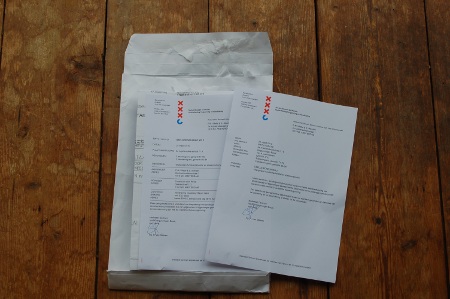
No sooner did I press the publish button on my last post than a letter from the city arrived with final approval for the last round of drawings and calculations for my house foundation.  Now to get the work started!