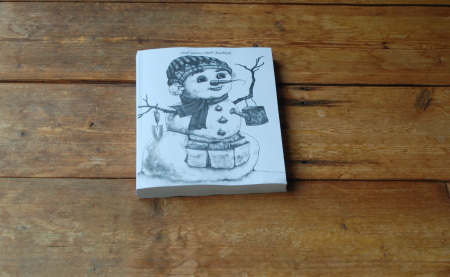
It’s that time again, the 2009 Seed Savers Exchange yearbook arrived yesterday. Not only was it earlier than last year by a few weeks, but I paid my dues late, meaning it was really quite a feat for them to get it to me so quickly. The payment for my dues hasn’t even had a chance to clear my bank, but I have the seed listing!
As usual, lots of exciting things to look at. Nearly 700 people offering more than 13,000 varieties. These figures are down from previous years, but still impressive nonetheless. Are you looking for that perfect tomato to grow in your garden this year? If you become a member of the SSE, you can choose one of the 6000 different ones on offer!
Together with the yearbook, was the news this will be the last printed edition. WooHoo!! I will be so glad to see this printed listing go. Not only is it cumbersome to search through and wasteful of resources, but it was too expensive to ask their members to pay for the printing and shipping of it. I think this decision represents a maturing of sorts of the SSE, and an acceptance it’s time to move forward.
There was also the news that member dues would rise by $5 next year. I think that’s a little unfortunate, given they will save money by not having a printed seed listing.
Those of you who have read my posts in previous years when the SSE yearbook arrived will know I often complain. While I guess I’m about to commence complaining here, everyone reading this should realize what I want most of all is for the SSE to mature into an organization that best serves it’s members and customers. It’s goal is to preserve and promote garden biodiversity after all, and I think it should adopt the most universal methods of doing this.
Move Away from High Membership Fees
While you have a lot of projects well deserving of funding, doing this through member fees is going to backfire. For providing the service of seed exchange, matching people looking for seeds with those offering, you are too expensive. This can be done for free over the Internet, and there are many other organizations that do it for a lower cost.
Many of your members belong to other seed saving organizations, and having to pay for several expensive memberships simultaneously doesn’t make sense.
While the seeds on offer from the SSE are always varied and impressive, it’s not what it used to be compared to other sources.
Consider centralizing seed requests and charging a per request fee instead. This will make your seed offerings available to more people at a more reasonable price.
Put Your Seed and Plant Listings into the Public Domain
Keep your member details secret, but allow unlimited access to your seed listings. Let the power of the Internet give you the publicity you need to become known. If you make your listing available for download as raw data, then this can be incorporated into other seed listings and talented Free Software computer programmers around the world can design applications for everyone to make the best use of this data. It will also become a valuable public resource, that even non-members can make direct use of.
In addition, consider cooperating with other seed saving organizations for combined listings and reciprocal recognition of membership.
Stop with the Rhetoric and Attempts to Control People
Your publications are full of statements like
This yearbook is not a seed catalog
or
Some people still use the yearbook as a seed catalog
What does this mean? Of course this evokes warm feelings, and it’s such a broad statement that no one could possibly disagree with it, but it doesn’t mean anything.
There are certainly a number of members, perhaps the majority, that would like to see their plant material grown in as many gardens as possible. I also think that given the cost and complexity of ordering say 10 varieties from different people would not be an attractive alternative to buying the same thing from a seed store. Even if someone did this, what exactly is the harm? Exactly what percentage of your members have expressed objection to someone doing this?
I agree the yearbook is something special, but your members are too smart for such an empty statement. If there are real issues at stake, make real policy decisions. If there are no issues at stake, grow up and drop the rhetoric.
The same thing is true with this:
SSE’s Listed and Non-Listed Members[sic] are strictly prohibited from immediately dividing and reselling samples of seeds…
So this is like sharing the unused portion of a packet of seeds right? What exactly does this mean anyway? Do you really think your members are going into business selling their samples one seed at a time?
The same thing here:
It is illegal to send plants or cuttings between countries, so no international prices are listed for plant materials.
Just who are you to know this? The world is a complex place, and this just isn’t true in many cases.
Concentrate on real policies for real cases of abuse, and otherwise think about putting your members’ offerings in the hands of as many people possible, so they can make use of them in the best way possible. Let your members work out the terms of trade themselves.
Fix Your Published Seed Saving Information
Seed Saving: Tomatillos will not cross-pollinate. Select fully ripe fruits to save for seed. Pick at least one ripe fruit from each of several plants. Squeeze seeds and juice into a strainer and wash, spread on a paper plate and dry.
You’ve listed this information for tomatillos for years now. Hasn’t anyone ever verified the seed saving information you publish?
They most certainly will cross pollinate, in fact they require a pollination partner in order to set fruits.


